 AquaLife
Hydration and Activity Levels
Educational article | February 2026
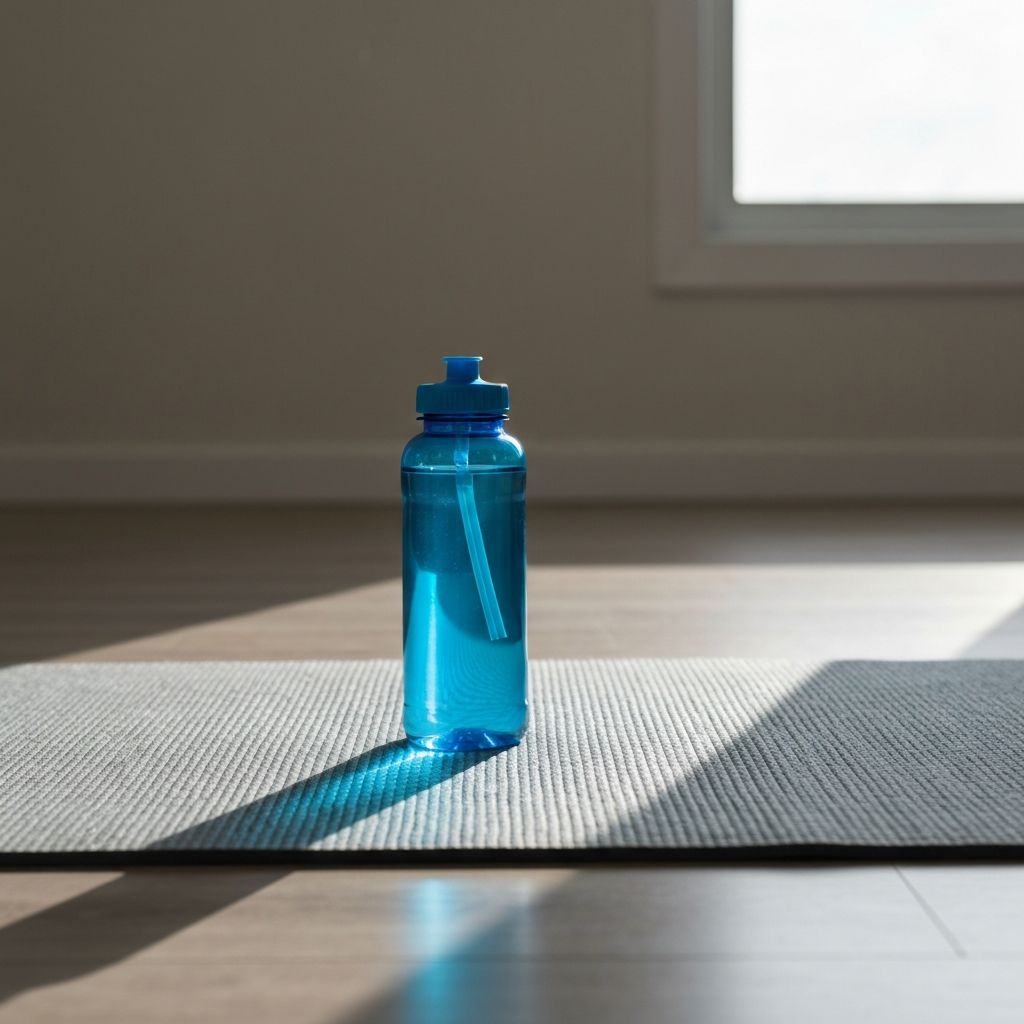
The relationship between physical activity and hydration patterns represents a widely observed correlation in human physiology. This article explores this relationship from an educational perspective, explaining observed patterns without providing prescriptive guidance for individual circumstances.
Physical Activity and Water Loss
Physical activity naturally increases water loss through multiple mechanisms. Sweating represents the primary mechanism for thermoregulation during exercise, with sweat rates varying significantly among individuals and environmental conditions. Respiratory water loss also increases with elevated breathing rates during physical activity.
The magnitude of water loss during activity varies based on numerous factors including exercise intensity, duration, environmental temperature and humidity, individual physiology, and clothing. These variables mean that water loss patterns differ substantially among individuals even performing similar activities.
Thirst Response During Activity
Thirst mechanisms are activated during physical activity as the body responds to water loss and changes in blood volume and concentration. The sensitivity of thirst responses varies among individuals, with some people experiencing noticeable thirst earlier than others during similar activities.
Thirst perception can be influenced by exercise intensity, with very intense activity sometimes associated with delayed thirst awareness. This represents a natural physiological variation rather than a universal pattern requiring intervention.
Sedentary Versus Active Lifestyles
Individuals with predominantly sedentary lifestyles typically exhibit different hydration patterns compared to those with active lifestyles. Sedentary individuals generally experience lower rates of water loss through perspiration and respiration, which naturally correlates with different thirst patterns and water consumption.
Active individuals, particularly those engaged in regular physical exercise or physically demanding occupations, often develop different hydration habits reflecting their activity patterns. These habits are individual adaptations rather than prescribed behaviours.
Environmental Factors and Activity
Environmental conditions significantly influence the relationship between activity and hydration. Physical activity in hot environments typically results in greater water loss compared to the same activity in cooler conditions. Humidity also affects evaporative cooling efficiency and subsequent water loss rates.
Indoor climate-controlled environments present different conditions compared to outdoor activities. Temperature regulation and air movement influence water loss patterns during exercise, contributing to variability in individual hydration needs.
Duration and Intensity Considerations
Both the duration and intensity of physical activity influence hydration patterns. Brief, moderate activities typically result in minimal water loss, while prolonged or intense activities are associated with greater fluid loss. The relationship is not strictly linear and varies among individuals.
Individual fitness levels affect the physiological response to activity. Well-trained individuals may exhibit different sweating patterns and thermoregulatory efficiency compared to less trained individuals performing similar activities.
Pre-Activity Hydration Status
The hydration status individuals bring to physical activity varies based on their recent consumption patterns. Some individuals begin activities in different states of hydration, which can influence their subsequent thirst patterns and water needs during activity.
Individual habits regarding pre-activity water consumption differ widely. Some people naturally consume water before activities, while others do not develop this pattern. Both approaches are observed among healthy, active populations.
Post-Activity Hydration Patterns
Following physical activity, individuals typically experience increased thirst as the body signals the need to replace lost fluids. The timing and intensity of this thirst response varies among individuals and depends on the nature and duration of the preceding activity.
Recovery hydration patterns are individual and influenced by personal preferences, subsequent activities, and environmental conditions. Some individuals naturally consume significant water post-activity, while others may have more gradual rehydration patterns.
Different Types of Physical Activity
Various forms of physical activity present different hydration contexts. Cardiovascular exercises like running or cycling typically result in substantial water loss through sweating. Resistance training may involve different patterns depending on intensity and rest periods. Flexibility activities generally involve minimal water loss.
Occupational physical activity presents yet another context, where individuals may engage in prolonged moderate activity rather than intense short-duration exercise. This affects hydration patterns differently compared to structured exercise sessions.
Individual Variation in Response
Individual differences in the relationship between activity and hydration are substantial. Factors including genetic variation in sweat gland density and function, acclimatisation to environmental conditions, body composition, and metabolic rate all contribute to individual patterns.
Age and biological sex also correlate with variations in thermoregulation and sweat response. These physiological differences mean that individuals of different ages and sexes may observe different hydration needs during similar activities.
Practical Context for Active Individuals
Individuals engaged in regular physical activity often develop personal awareness of their hydration patterns related to exercise. This awareness develops through experience and attention to bodily signals like thirst, which naturally guide water consumption.
Access to water during different activities varies. Some activities allow for frequent water access, while others involve limited opportunities for consumption. These practical considerations naturally influence individual hydration patterns during activity.
Educational Context and Limitations
This article provides educational information about the relationship between physical activity and hydration patterns. It does not constitute medical advice or personalised recommendations for individual circumstances. Hydration needs during activity vary significantly among individuals based on factors including body size, fitness level, exercise intensity, duration, environmental conditions, and personal physiology. This content explains general observations and patterns but does not prescribe specific hydration strategies. Individuals should make personal decisions based on their own circumstances and, where appropriate, consultation with qualified professionals.
Continue Learning
Explore more educational articles about hydration patterns and related topics.
Explore further